
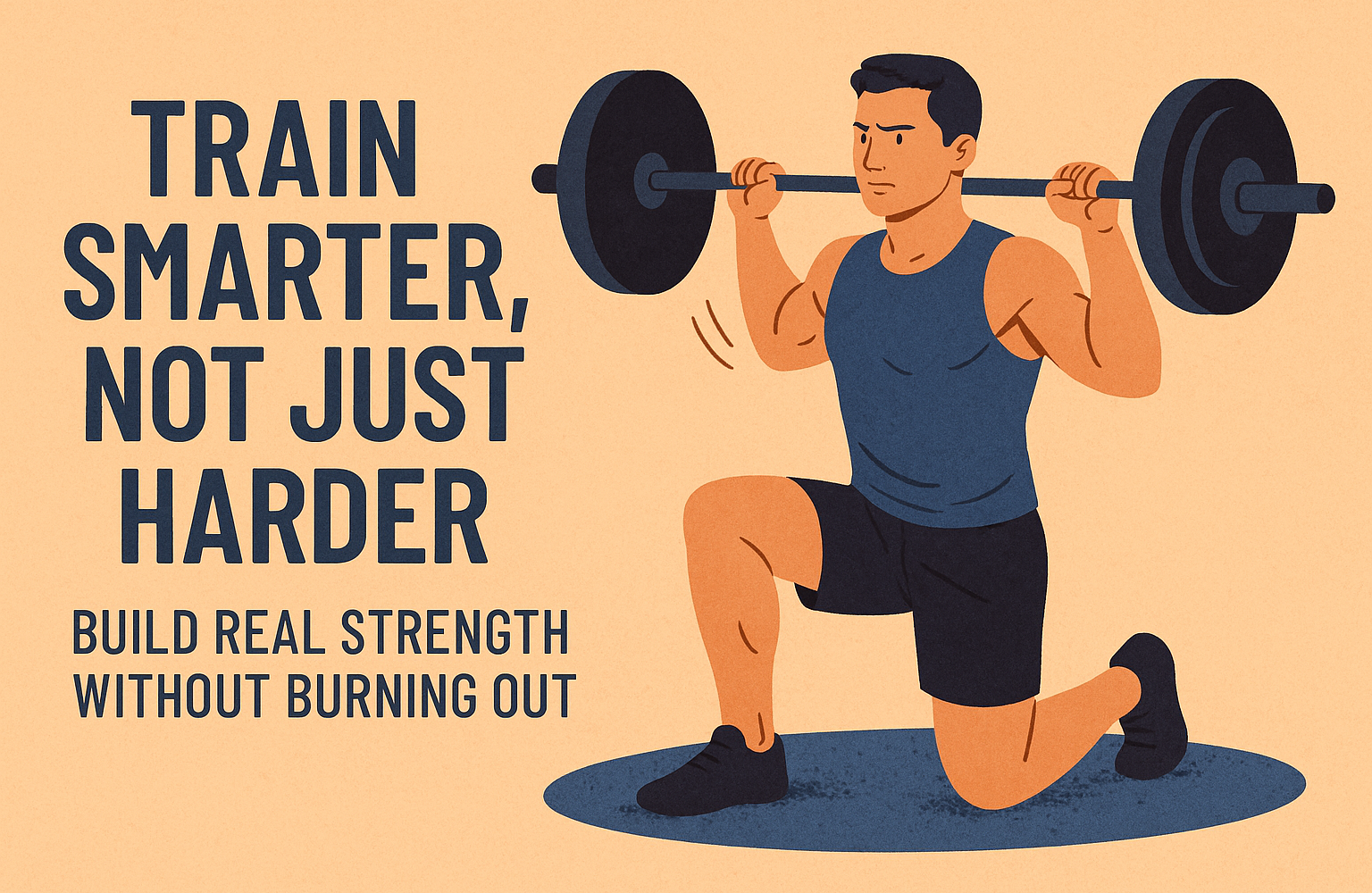
Most lifters fall into one of two camps: those who train like maniacs but burn out, and those who train smart and build strength consistently over time.
If you’ve been chasing muscle gains or strength progress but feel stuck, sore, or constantly tired — this one’s for you. Smart training doesn’t mean easy training. It means strategic training. Let’s break it down.
What Really Is Smart Training?
“Training smart is about getting the most results with the least amount of unnecessary effort.”
Smart training = maximum results with the minimum effective dose.
It’s not about grinding every session until you collapse. It’s about training hard enough to stimulate progress — but not so hard that you can’t recover. That means:
Programming with intent
Managing fatigue
Avoiding injury and burnout
Focusing on long-term gains, not just today’s pump
💡 Bodybuilders like Dorian Yates and Mike Mentzer built elite physiques using fewer sets but maximum intensity and recovery focus.
Why Recovery is Everything in Strength Gains
“I train hard, but I recover harder.” – Jay Cutler, 4x Mr. Olympia
Muscles don’t grow in the gym. They grow when you’re resting, sleeping, and eating.
Science Speaks:
-
Studies by Brad Schoenfeld (Journal of Strength and Conditioning Research) confirm muscle protein synthesis is elevated for 24–72 hours post-training — especially with adequate rest and nutrition.
-
The NSCA (National Strength and Conditioning Association) emphasizes that insufficient recovery leads to elevated cortisol, reduced testosterone, and stalled performance.
Signs You’re Not Recovering Well:
-
Always sore
-
Poor sleep
-
Low motivation
-
Plateaued lifts
Smart Tip: Recovery is part of training. Don’t skip it.
Use Progressive Overload — Not Random Volume
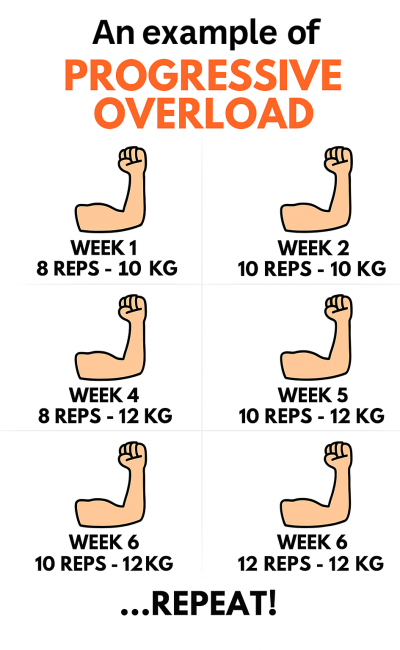
Muscle growth isn’t about doing more work — it’s about doing better work.
“The goal is to lift slightly more weight, or do slightly more reps, over time. That’s it.” – Greg Nuckols, strength coach
Here’s how to do it:
Track your lifts weekly
Add small increments in load, reps, or sets
Don’t confuse volume with progress
Junk Volume: Doing endless sets without progressing in reps, weight, or quality = wasting energy.
It’s that simple — but requires consistency.
Autoregulation: Adjust Based on Your Body
You’re not a robot. Some days, you’re running on 6 hours of sleep and 2 meals. Others, you feel superhuman. Training should adjust accordingly.
Tools That Help:
RPE (Rate of Perceived Exertion): 1–10 scale based on how hard a set feels
RIR (Reps in Reserve): Estimate how many reps you had left in the tank
If you’re at 4 hours of sleep and feeling drained, reduce load or volume — don’t force max effort. Movement is still good. Just don’t crush yourself.
“Auto-regulation is what separates pros from amateurs.” – Eric Helms, Strength Coach & Researcher
Compound Movements > Endless Pump Sets
Don’t get distracted by flashy pump routines. The backbone of every strong physique? Compound lifts.
The Big Lifts:
Squats
Deadlifts
Bench Press
Overhead Press
Rows
Pull-ups
Even top bodybuilders like Arnold Schwarzenegger and Ronnie Coleman built their size on heavy squats and rows — not just biceps curls.
Isolation movements (like triceps pushdowns or lateral raises) are great, but they’re icing on the cake — not the cake itself.
Form, Tempo & Mind-Muscle Connection Matter More Than You Think
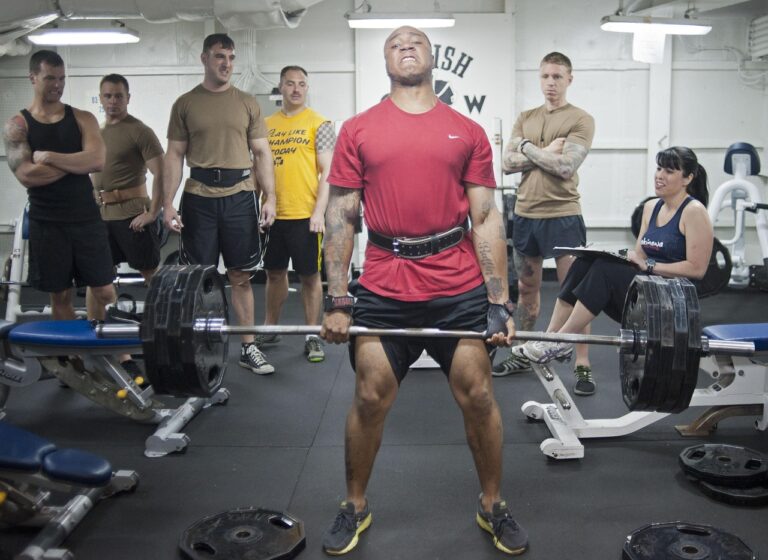
If your reps are sloppy or rushed, you’re not training the muscle — you’re just moving weight.
Focus On:
-
Form: Full range, controlled motion, stable joints
-
Tempo: Slow eccentrics (lowering phase) increase tension
-
Mind-Muscle Connection: Feel the target muscle working
“I’d rather do 8 perfect reps with 60kg than ego lift 100kg for 4 sloppy ones.” – Every seasoned lifter ever
Poor form = injuries = missed weeks of training. Prioritise quality.
Track Progress — Not Just Soreness
Too many people chase the feeling of a workout instead of results.
Feeling sore doesn’t mean you’re growing muscle.
It just means your body isn’t used to that movement or volume.
What to Track:
-
Reps and weights on major lifts
-
Recovery and sleep
-
Energy and motivation
-
Technique and tempo
Use a Google Sheet, a notebook, or an app (like Strong or RepCount). No excuses — what gets measured gets improved.
Overtraining is Real — Learn When to Deload
You can’t keep pushing forever. Deloads are not for the weak — they’re for the wise.
Signs You Need a Deload:
-
Progress has stalled
-
You’re always sore
-
Mood swings, irritability
-
Elevated resting heart rate
How to Deload:
-
Every 4–8 weeks, reduce weight or volume by 30–50%
-
Focus on perfect form
-
Use the week to reset your nervous system
“Sometimes you grow more in a deload week than in the 4 weeks before it.” – Christian Thibaudeau
Train for Longevity, Not Just PRs
Your joints aren’t invincible. If you want to lift into your 40s and beyond, you need to train smart now.
Longevity Tips:
-
Warm up before every session
-
Do mobility work weekly (hips, shoulders, ankles)
-
Choose good shoes — your knees will thank you
-
Avoid maxing out every week
Long-term strength = being able to train pain-free for decades, not months.
Final Takeaway: Build Strength That Lasts
You don’t need to kill yourself in every session.
You need to train consistently, recover intelligently, and progress gradually.
Smart training isn’t about intensity alone. It’s about sustainability.
“Train hard. Recover harder. Stay in the game long enough to win.”
Final Words:
Remember — every lifter is different.
Use this as a guide, but adjust for your:
Recovery ability
Nutrition
Sleep
Stress levels
👉 Train smart. Be consistent. Respect your body.
That’s how you build lasting strength — not in 30 days, but for decades.